Securing a dependable Pest Control Service Whittier homeowners rely on begins with identifying structural entry points and identifying active pest species before applying treatment. Professional extermination targets the biological habits of specific pests, stopping active nesting in attics, crawlspaces, and wall voids without unnecessary chemical exposure.

Pest Control Service in Whittier is a targeted inspection, eradication, and structural exclusion process designed to eliminate active insect and rodent infestations while establishing protective perimeter barriers around residential and commercial properties.
Every service reflects the same meticulous attention to detail — whether it's a single job or a larger pest control service project across Whittier.
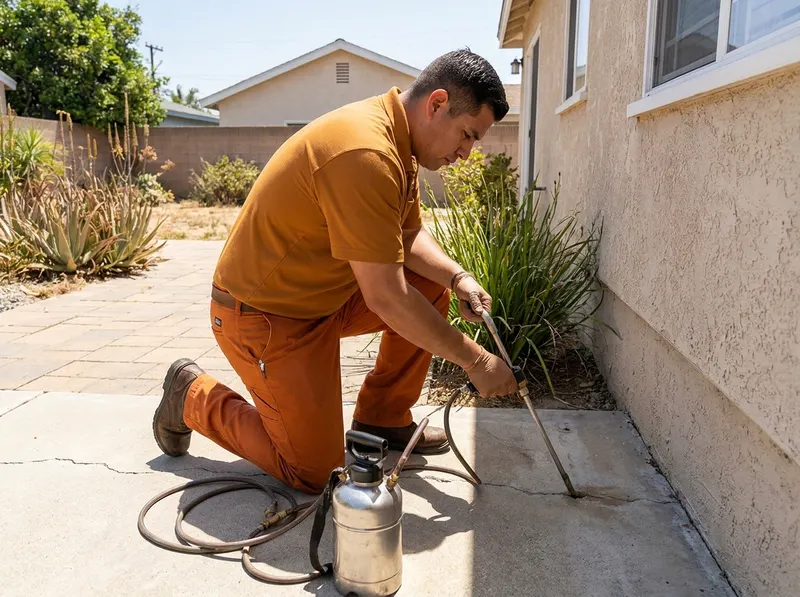
Argentine ants, carpenter ants, and odorous house ants establish dense sub-colonies throughout Whittier yards, exploiting exterior foundation weep holes, expansion joints, and plumbing penetrations to forage inside kitchens and bathrooms. Treatment utilizes non-repellent liquid micro-encapsulated barriers and slow-acting polysaccharide matrix baits. Foraging workers cannot detect the active chemistry, allowing them to walk across treated zones and transport the compound directly back to the subterranean nest. This initiates horizontal transfer between worker ants and the primary queen, neutralizing the reproductive hub and eliminating the entire colony rather than scattering workers across interior living spaces.
View details →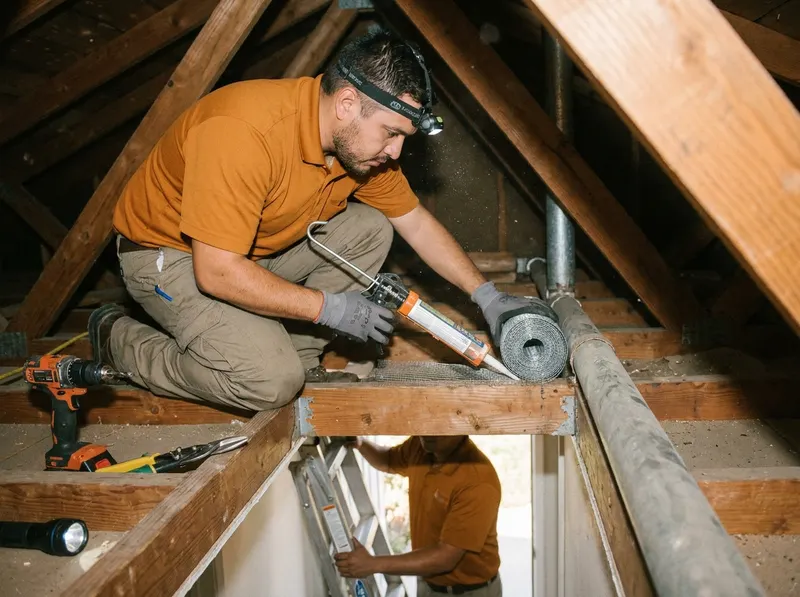
Roof rats, Norway rats, and house mice utilize overhanging tree limbs, roof tile transitions, foundation crawl vents, and uncapped utility lines to access conditioned attic spaces and subfloors. Service begins with an exhaustive structural audit to map runways, urine pillars, and nesting sites. Technicians deploy commercial-grade mechanical snap traps within tamper-resistant interior stations to rapidly remove existing rodent populations. Crews then seal all structural entry pathways measuring one-quarter inch or larger using heavy-gauge galvanized steel hardware cloth, high-density expanding foams, copper mesh, and metal flashing to deliver permanent structural protection.
View details →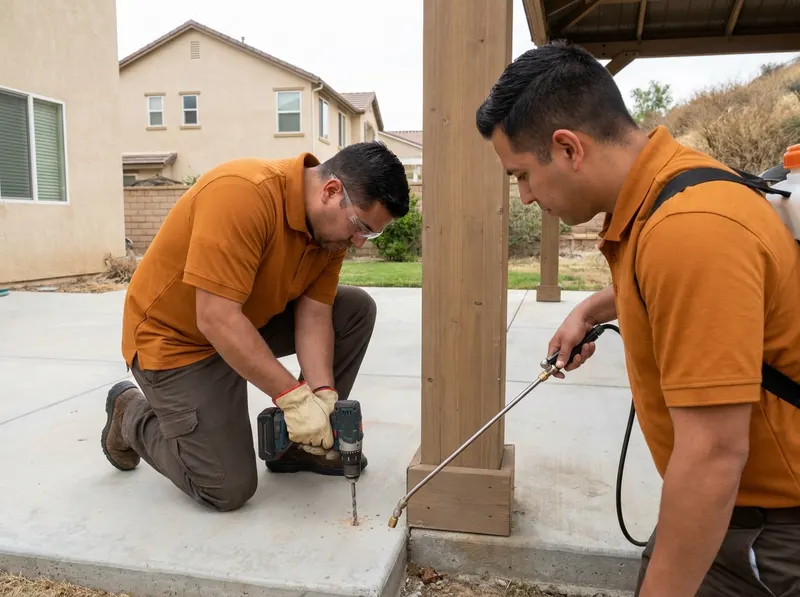
Subterranean and drywood termites pose continuous structural threats to Southern California framing timbers, subfloors, and decorative fascia boards. Diagnostic inspections pinpoint kick-out holes, fecal frass deposits, structural wood deflection, and subterranean mud shelter tubes. Depending on infestation depth, technicians apply targeted liquid borate injections into infected structural members, termiticide soil barrier trenches along perimeter foundations, or precise localized foaming treatments within wall voids. This targeted approach halts active wood consumption and protects structural integrity without requiring unnecessary whole-structure tenting for isolated colony pockets.
View details →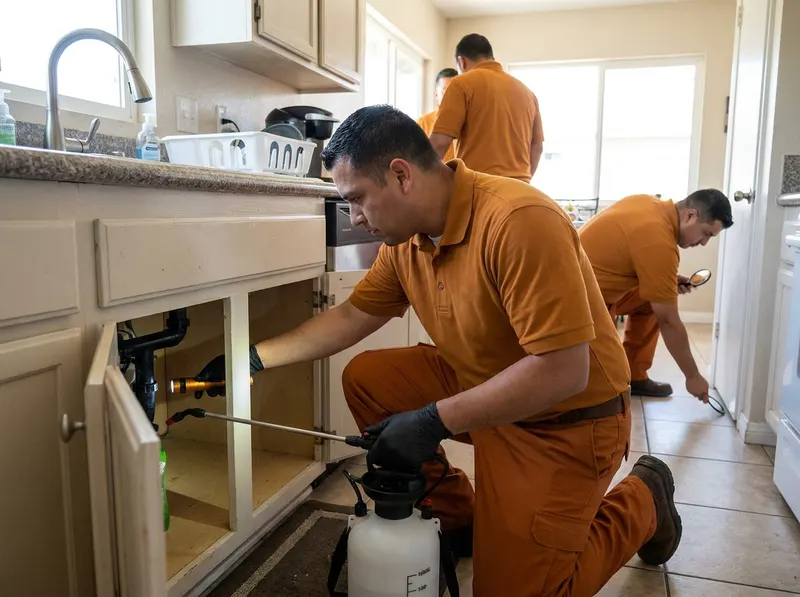
German cockroach populations multiply rapidly in warm kitchen cabinetry, dishwasher motor housings, and pantry wall voids, while American and Oriental cockroaches infiltrate through municipal sewer lines, floor drains, and damp exterior landscaping. Eradication involves deploying dual-action insect growth regulators that arrest nymph maturation, combined with high-potency bait matrices applied precisely into cracks, crevices, and appliance hinge points. Technicians apply targeted flushing agents to eradicate dense harborages while maintaining strict separation from food-contact surfaces and dishware storage zones.
View details →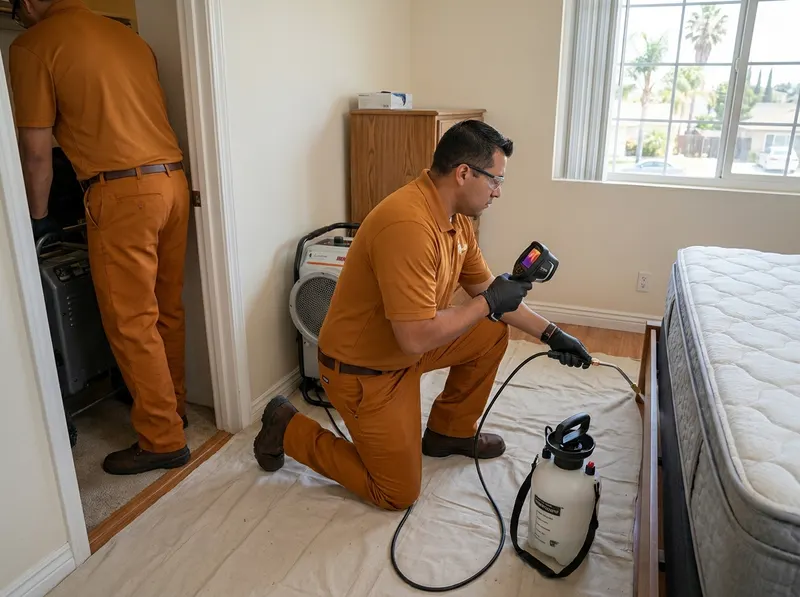
Bed bugs shelter within mattress seams, box spring joints, baseboard gaps, electrical outlet boxes, and upholstered furniture, emerging during nighttime hours to feed. Remediation employs a dual-stage protocol combining high-efficiency particulate air vacuuming, direct high-temperature steam applications, and long-lasting non-repellent insect growth regulators. Every structural crack, fastener hole, and textile seam in the targeted sleeping area is treated methodically to eliminate adult insects, mobile nymphs, and unhatched eggs, restoring restful sleep without residual chemical odors.
View details →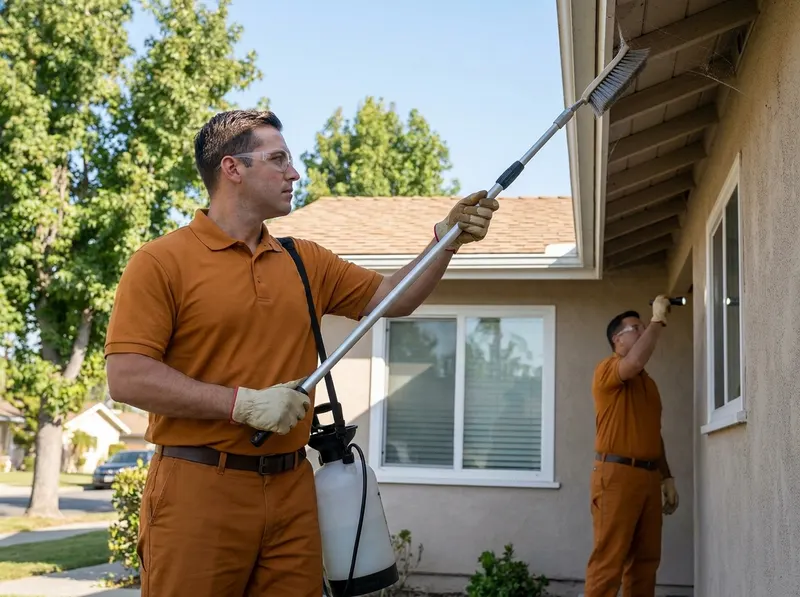
Black widows, brown widows, and common house spiders establish dense webs across exterior eaves, foundation perimeters, patio furniture, garage corners, and irrigation meter boxes. Service includes complete physical de-webbing and egg sac removal using specialized telescoping brushes, followed by micro-encapsulated exterior barrier sprays along foundation bands, window frames, and exterior lighting fixtures. Crawlspaces and dark storage areas receive targeted low-toxicity dust formulations to eliminate the hidden insect populations that spiders depend upon as their primary food supply.
View details →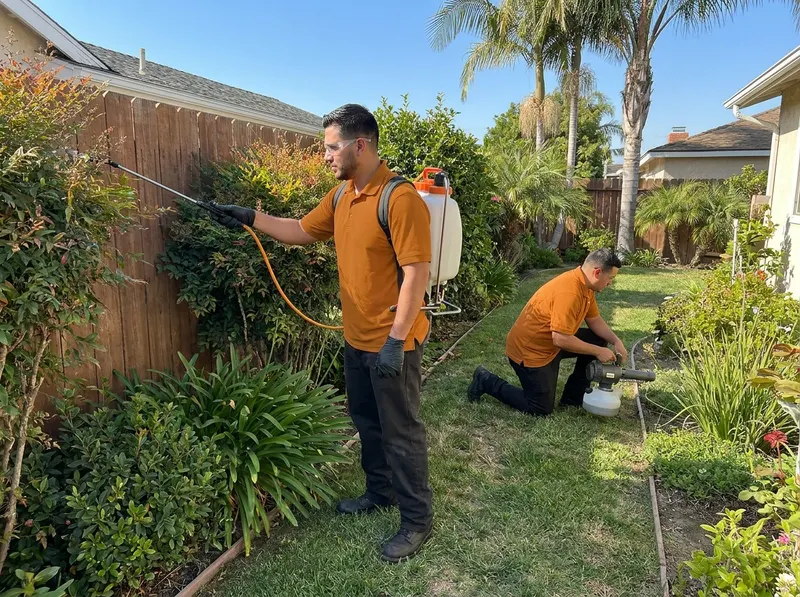
Invasive Aedes mosquitoes and native Culex species breed in small volumes of standing water found in landscape drainage saucers, birdbaths, clogged rain gutters, and dense groundcover foliage. Management programs deploy ultra-low-volume misting treatments targeting the undersides of broadleaf shrubs, shaded patio covers, and landscape perimeter beds where adult mosquitoes rest during daytime heat. Technicians also treat standing water sites with biological larvicides that target mosquito larvae before they emerge as biting adults, drastically reducing yard biting pressure.
View details →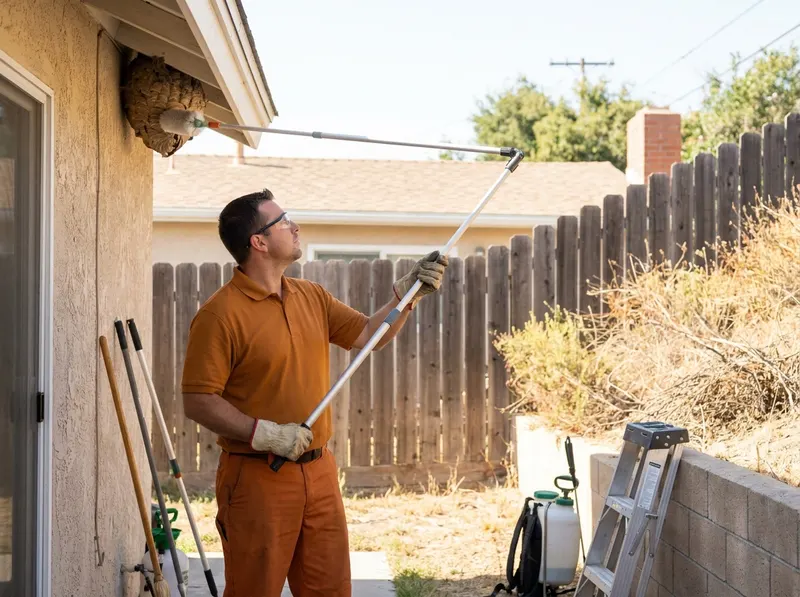
Paper wasps, yellowjackets, and mud daubers construct aggressive nests under roof overhangs, stucco window lintels, deck railings, and yard equipment sheds, creating physical hazards for families and pets. Technicians utilize protective safety equipment and pressurized knockdown sprays to neutralize active stinging insects instantly. The physical nest structure is fully removed to eliminate attractive pheromone trails, and a localized residual repellent is applied directly to the anchoring surface to prevent recurring nest building on high-traffic architectural perimeters.
View details →Pest Control Service in Whittier is a targeted inspection, eradication, and structural exclusion process designed to eliminate active insect and rodent infestations while establishing protective perimeter barriers around residential and commercial properties.
You get a firm, itemized quote for your pest control service before any work begins — no surprises, no pressure.
Careful prep, tidy work, and a full cleanup when we are done. We treat your home and belongings like our own.
The same trusted, background-checked team from the first call to the final check.
Selecting the right pest control approach depends on whether your structure faces an acute wood-destroying threat, an active food-contaminating invasion, or seasonal perimeter pressure. If you detect scratching noises in ceiling drywall, grease rub marks along baseboards, or shredded attic insulation, choose targeted mechanical rodent trapping combined with complete physical exclusion. Trapping removes active breeders within 3 to 7 days, while heavy-gauge steel mesh seals structural gaps permanently; chemical-only rodenticides or repellant sprays leave entry holes open, risking indoor foul odors from decaying carcasses inside wall cavities. If you discover discarded insect wings, hollowed-out trim, or localized wood frass near window sills and door frames, select focused termite localized borate treatments or structural fumigation. Localized spot treatments preserve historic wood framing in older properties with minimal chemical disruption, whereas widespread subterranean or drywood colonies spanning inaccessible framing require whole-structure treatment methods. If you observe persistent ant trails in kitchens or bathrooms during warm weather, opt for non-repellent transfer baits and perimeter foundation barriers. Over-the-counter contact sprays trigger defensive budding that splits the colony into multiple reproductive nests throughout your walls, while non-repellent transfer treatments allow foraging worker ants to carry active ingredients back to the queen, collapsing the entire subterranean colony within 7 to 14 days. For sudden stinging insect hazards near roof eaves, entry doors, or patio areas, select immediate physical knockdown and localized residual barrier treatment; the trade-off is that open outdoor spaces remain naturally exposed to new seasonal foragers, requiring periodic perimeter monitoring rather than permanent exterior eradication. For multi-unit properties or slab-on-grade homes dealing with German cockroaches, intensive cleanout protocols deploying insect growth regulators and target-specific gel baits are essential to disrupt the 28-day reproductive cycle; basic surface fogging only disperses nymphs into adjoining rooms without penetrating deep cabinetry hinges and motor housings.
Every project gets a firm, written price after a free on-site visit. Ranges below for orientation.
Tell us about your pest control service job and we'll send a clear, written quote — usually the same day. Or just call and talk to a real Whittier pro.
(562) 309-6153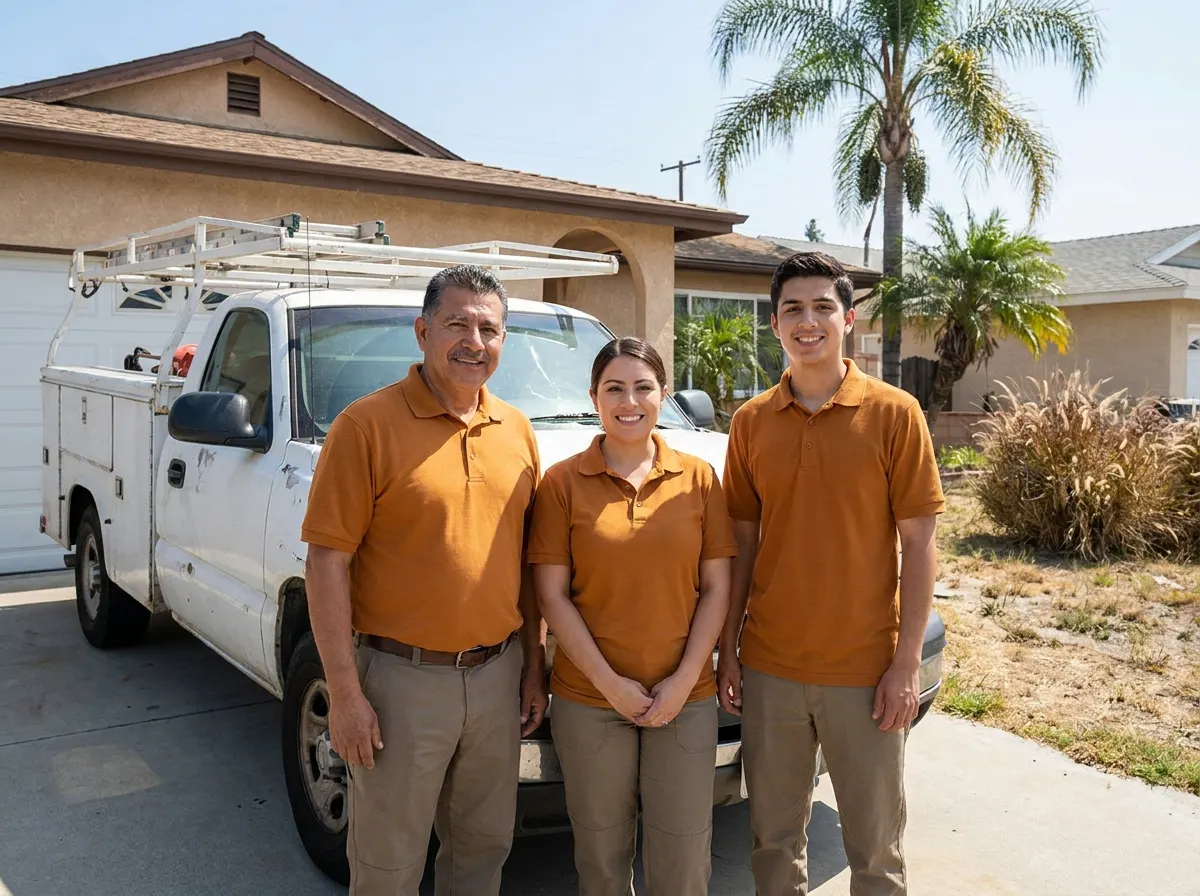
Properties situated along the base of the Puente Hills, Turnbull Canyon, and Savage Canyon face distinct pest migration patterns governed by seasonal microclimates and foothill topography. During the arid summer and early fall months, dry hillside brush and natural water scarcity drive roof rats, field mice, and vast Argentine ant super-colonies downward into residential neighborhoods like Mar Vista Heights, Friendly Hills, and East Whittier in search of irrigated landscaping, swimming pool perimeters, and domestic plumbing fixtures. Historic architecture in the Hadley-Greenleaf Historic District and Uptown Whittier presents specific structural vulnerability: classic California craftsman bungalows and Spanish revival homes built with raised perimeter foundations, wood subfloors, and decorative exterior timber framing demand precision inspection techniques to detect drywood termite colonies and rodent crawlspace intrusions without compromising original architectural woodwork. Furthermore, mature fruit trees, avocado groves, and expansive oak canopies throughout Michigan Park and Leffingwell create elevated aerial runways that allow roof rats to bypass ground-level landscape defenses and drop directly onto tile roof junctions, plumbing vents, and uncapped attic dormers.
Free estimates for Whittier & the surrounding area.
 Brevano Pest Control Services